Skeleton Dancing Santa Christmas: Embroidery Review
When evaluating a new digital asset for holiday production, I look for more than just seasonal cheer. As an embroidery designer and product reviewer, my primary concern is how a graphic translates from screen to stitch. The Skeleton Dancing Santa Christmas design offers a unique intersection of macabre humor and traditional festivity, but its utility depends entirely on execution. This review breaks down the practical realities of using this SVG-PNG digital download in real-world machine embroidery projects, specifically focusing on its viability for small business owners and makers preparing for the holiday rush.
First Impressions and Visual Personality
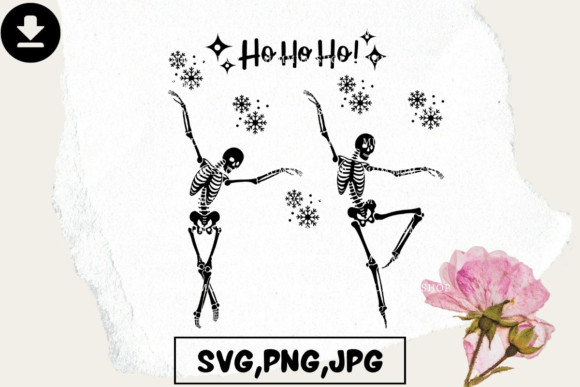
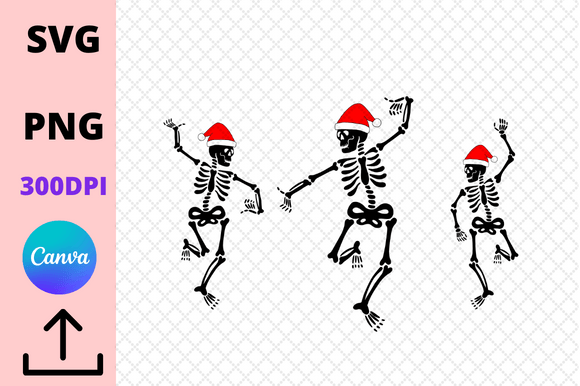
Upon opening the zip file, the immediate strength of this Skeleton Dancing Santa Christmas illustration is its distinct character. Unlike generic clip art, this graphic possesses a dynamic pose that suggests movement. For an embroidery project, movement is excellent because it guides the eye across the fabric, but it also presents digitizing challenges. The artwork balances detailed linework with open negative space, which is crucial for preventing bulletproof patches on garments. The mood strikes a specific niche: it is playful enough for family gatherings yet edgy enough for alternative holiday merchandise. This duality makes it a strong candidate for Etsy sellers targeting customers who want personalized gifts that deviate from standard religious or purely cute aesthetics.
Real-World Application: The Sweatshirt Test
To truly judge this design, I mentally applied it to a current client request: a custom apparel order for a boutique coffee shop wanting "spooky holiday" staff uniforms. We selected a heavyweight cotton sweatshirt as the base. In this scenario, the Skeleton Dancing Santa Christmas graphic serves as a center-chest placement rather than a full-back print. The transparent background PNG (300 DPI) allowed me to visualize the placement accurately against the dark heather grey fabric before a single needle pierced the material.
For this sweatshirt embroidery application, the design’s layout works exceptionally well. The dancing skeleton creates a natural triangular composition that sits comfortably above the pocket line without interfering with the garment's seams. However, because we were working with fleece-backed cotton, I had to consider how the fill stitch areas would interact with the fabric texture. The RGB color mode of the source SVG required careful translation to thread colors, ensuring the bone white and santa red popped against the dark substrate without requiring excessive underlay that could stiffen the chest area.
Navigating Fabric Limitations and Hoop Sizes
While this graphics package is versatile, it demands respect for fabric physics. If you are planning baby embroidery or items for thin knits, proceed with caution. The intricate details of the skeleton’s joints and the trim on the Santa hat require precise registration. On stretchy fabrics like ribbed knit or lightweight jersey, these details can distort if the stabilizer choice is inadequate. I recommend testing this machine embroidery design on scrap fabric first, specifically using a cut-away stabilizer for any stretch materials to maintain the integrity of the running stitch outlines.
Hoop size selection is equally critical. While the SVG allows for resizing in Canva, embroidery machines have physical limits. Scaling this design down for a cap or an embroidered patch requires simplifying the artwork. Tiny lettering or fine skeletal fingers may turn into a thread nest at sizes smaller than 4x4 inches. Conversely, maximizing the design for a tote bag design or pillow cover allows for greater detail retention. Always confirm your hoop size capabilities before committing to a production run. For curved surfaces like caps, the vertical height of the dancing figure might need adjustment to prevent puckering near the brim seam.
Commercial Viability for Makers and Sellers
For creative entrepreneurs and handmade shop owners, the value of this asset lies in its adaptability. The inclusion of an editable SVG file means you can customize colors to match specific brand palettes or create coordinating sets. I can envision this Skeleton Dancing Santa Christmas design being used effectively across multiple product lines:
- Holiday Embroidery: Traditional tea towels and aprons where the design acts as a focal point.
- Craft Business Merchandise: Patches and stickers derived from the high-resolution PNG.
- Digital Product Previews: Using the transparent PNG to create professional printable mockups for listings without needing to stitch every variation.
- Personalized Gifts: Adding names or dates below the figure, utilizing the open space in the composition.
The commercial embroidery potential is significant because the design avoids copyrighted characters while still tapping into recognizable tropes. However, always verify the specific licensing terms included in your download before selling finished products or digital derivatives. Customer trust relies on professionalism, and ensuring you have the right to sell items featuring this art protects your business reputation.
Technical Considerations for Stitch Clarity
A beautiful illustration does not always equal a beautiful stitch-out. When converting this Skeleton Dancing Santa Christmas graphic into an embroidery file, pay close attention to stitch density. The CMYK color information provided in the PNG is helpful for visual matching, but thread reacts differently to light than ink does. You may need to adjust saturation or select variegated threads to achieve the same depth shown in the digital proof.
I strongly advise reviewing the design in black and white mockups before stitching. This strips away color bias and reveals whether the contrast between the skeleton, the suit, and the background fabric is sufficient. If the values are too similar, the embroidery will look muddy, regardless of how vibrant the thread colors appear on the cone. For dark fabrics, ensure your digitizing software accounts for the necessary white underlay or knockdown stitches to prevent the fabric grain from showing through the satin stitch borders.
Enhancing Product Value Through Presentation
Beyond the technical stitch-out, this design impacts perceived product value. A clean, well-executed Skeleton Dancing Santa Christmas embroidery signals quality to buyers. Avoid placing this design on heavily textured fabrics like terry cloth or boucle unless you use a water-soluble topping; otherwise, the fine details will get lost in the pile. For nursery decor or baby items, ensure all edges are smooth and secure, as loose threads or rough satin stitch columns can be safety hazards.
When listing these items, use the provided high-DPI assets to show customers exactly what they are buying. The ability to upload the SVG to Canva allows for consistent branding across your shop. Whether you are creating a festive kitchen towel or an edgy holiday sweater, presenting the design in context helps buyers visualize the finished product. Remember that recognition drives sales; if this unique dancing skeleton becomes associated with your shop’s aesthetic, it transforms from a simple graphic into a signature element of your brand identity.
Final Designer Notes for Success
Before adding this to your production queue, treat the Skeleton Dancing Santa Christmas file as a starting point, not a final destination. Test it. Adjust it. Respect the limitations of your machine and your chosen textile. Check whether the design works for both personal and commercial projects based on your specific license. Inspect small details under magnification during test runs. By approaching this illustration with a critical, maker-focused mindset, you ensure that the final embroidered piece honors both the original art and the craftsmanship of your work. This level of diligence is what separates hobbyists from professional apparel decorators and successful Etsy sellers.