Gnomes Merry Christmas: An Embroidery Design Review
First Impressions: Whimsy Meets Stitchability
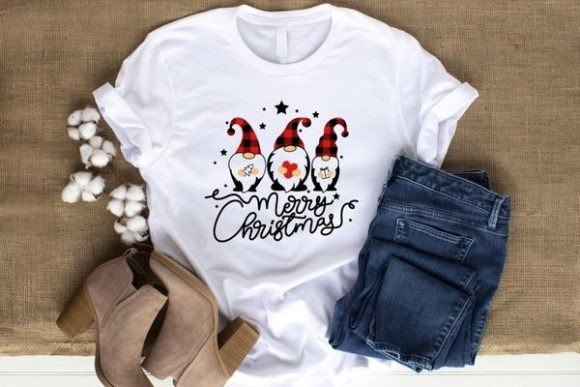
When evaluating Gnomes Merry Christmas for potential use in a commercial or personal embroidery project, my first assessment always focuses on the translation from screen to fabric. As an experienced designer, I look past the digital preview to imagine how these Illustrations will behave under the needle. This design immediately strikes a balance between festive charm and structural integrity. The gnome motif is inherently forgiving in machine embroidery because its organic shapes—beards, hats, and rounded bodies—naturally accommodate slight registration shifts better than rigid geometric patterns. The mood is undeniably cozy, making it a strong candidate for holiday collections, but as a reviewer, I am more interested in its technical versatility across different Graphics applications.
The inclusion of multiple file formats (PNG, JPG, SVG, DXF, AI) suggests this asset is intended for hybrid creators who might want to pair embroidery with sublimation or vinyl. However, for pure embroidery purposes, the visual weight of the gnome illustration appears well-suited for medium-to-large hoop sizes. The design avoids overly microscopic details that often turn into thread nests, favoring bold shapes that read clearly from a distance. This clarity is essential when creating merchandise for craft fairs or Etsy listings where product photography must capture the texture and personality of the stitch work instantly.
Real-World Application: Stitching a Holiday Tote Bag
To truly judge the merit of Gnomes Merry Christmas, I mentally placed it onto a canvas tote bag project intended as a boutique holiday gift. Canvas is a stable, woven fabric that generally handles embroidery well, but it requires careful planning regarding stabilizer and density. In this scenario, the design serves as the central focal point. Because gnomes often feature layered elements like hats overlapping beards, I considered how the stitch order would affect the final drape of the bag. A heavy fill stitch combined with dense satin stitch borders can make a tote bag stiff and unyielding.
If utilizing this as a standard machine embroidery design, I would recommend testing a lighter fill pattern or incorporating applique techniques if the source file allows for modification. The whimsical nature of the gnome lends itself beautifully to mixed media; for instance, using fabric for the hat and stitches for the face could reduce density while adding tactile interest. For a sweatshirt embroidery project, the considerations shift entirely. Fleece and French terry are textured fabrics that can swallow fine lines. Here, Gnomes Merry Christmas would need sufficient underlay to prevent the stitches from sinking into the pile. The design’s likely bold outlines would help define the edges against the fuzzy background, ensuring the holiday message remains legible and crisp after washing.
Navigating Fabric Challenges and Hoop Limitations
While this graphic is versatile, not every surface is a safe harbor for detailed holiday art. When reviewing Gnomes Merry Christmas for smaller items like baby clothes or caps, caution is necessary. Caps present a unique challenge due to their curved surface and limited stitching area. If the gnome illustration is too tall or wide, it risks distorting at the edges of the cap frame. Before committing to headwear, verify the exact dimensions of the embroidery file against your specific cap frame's safe zone. Similarly, for baby embroidery on stretchy knits, the design's density becomes a critical factor. Heavy graphics on lightweight onesies can cause puckering or tearing. In such cases, this design might be better suited for a bib or blanket where the fabric weight can support the stitch count.
Dark fabrics also demand scrutiny. While the provided PNG and JPG files allow you to preview color contrast digitally, real thread behaves differently. If the gnome features dark greens or reds, ensure there is adequate contrast against navy or black garments. Sometimes, adding a light running stitch outline or a white border can lift the design off a dark background, enhancing visibility. Conversely, on sheer or lightweight linen tea towels, excessive density can cause the fabric to pull and warp. Always test on scrap fabric that matches your finished product's weight and weave before stitching the final piece. This step saves both materials and professional reputation.
Critical Designer Notes for Success
- Verify Licensing: Before selling finished products featuring Gnomes Merry Christmas, confirm the commercial usage rights. Digital assets often have specific terms regarding whether you can sell physical embroidered goods versus digital files.
- Stabilizer Selection: Match your stabilizer to the fabric, not just the design. Use cut-away for stretchy apparel to maintain shape over time, and tear-away for stable wovens like canvas or denim.
- Thread Color Testing: Do not rely solely on screen colors. Create a physical color chart or stitch out a swatch to see how thread sheen interacts with the fabric texture under natural lighting.
- Mockup Accuracy: Utilize the included PNG and AI files to create realistic printable mockups for your shop listings. However, always disclose that the mockup is a digital representation if you haven't stitched the sample yet to maintain buyer trust.
- Resize with Care: If resizing the embroidery file, do so within embroidery software that recalculates stitch density. Simply stretching a vector file does not adjust the stitch count, leading to gaps or bulletproof patches.
Elevating Product Value Through Presentation
Beyond the technical execution, Gnomes Merry Christmas offers significant value in branding and customer engagement. For Etsy sellers and small shop owners, consistency in holiday aesthetics builds brand recognition. This design carries a specific folk-art warmth that appeals to customers seeking handmade, personalized gifts rather than mass-produced decor. When used across a cohesive collection—matching pillows, aprons, and ornaments—it creates a curated shopping experience that encourages multiple purchases.
The multi-format delivery enhances this business potential. Creative entrepreneurs can use the SVG and DXF files for laser cutting wooden ornaments or vinyl decals that complement the embroidered goods. This cross-platform utility maximizes the return on investment for the design asset. However, professionalism lies in the finish. A beautifully digitized gnome design ruined by poor hooping or incorrect tension reflects poorly on the maker. Take the time to inspect small details like facial features or text. If the lettering in "Merry Christmas" is too small to stitch cleanly at your desired size, consider pairing the graphic with a separate, optimized font file designed specifically for embroidery.
Making the Final Call for Your Studio
Ultimately, Gnomes Merry Christmas presents as a robust, high-potential asset for holiday production. Its strength lies in its adaptability to various substrates and its inherent appeal to the handmade market. Whether you are preparing custom apparel for a local boutique or stocking up on digital embroidery files for seasonal sales, success depends on respecting the relationship between the graphic and the material. By approaching this design with a tester’s mindset—validating density, checking contrasts, and confirming compatibility—you transform a simple digital illustration into a premium finished product. Remember that in the world of commercial embroidery and craft business, the most beautiful design is one that survives the wash cycle and delights the recipient long after the holidays have passed. Use your resources wisely, test thoroughly, and let the quality of your craftsmanship shine through this charming holiday motif.