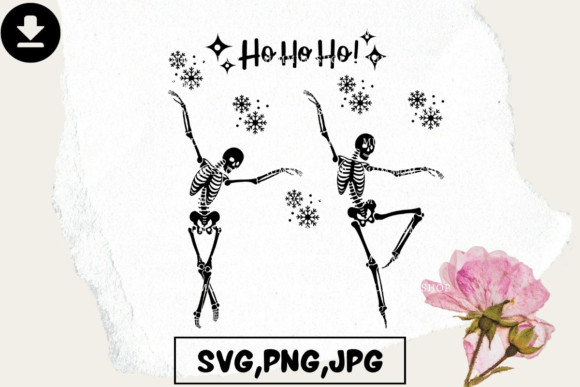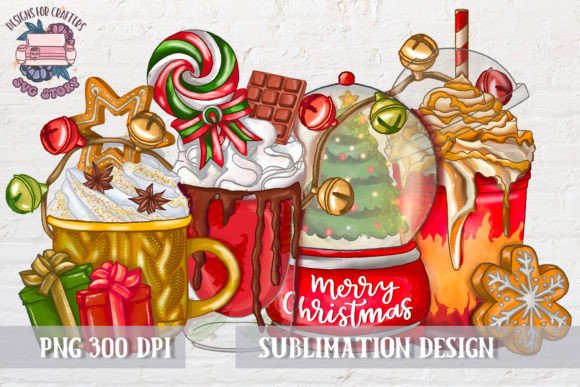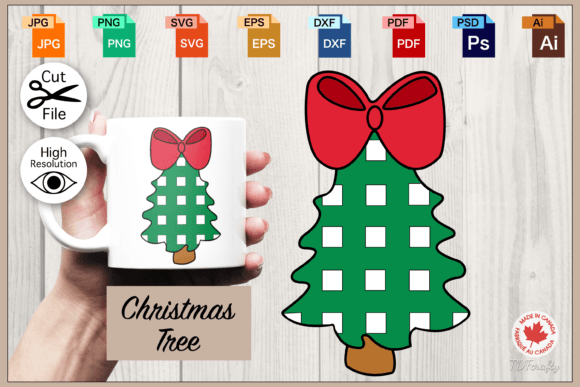
Christmas Coffee Skeleton Graphics & Illustrations
As a digital publisher and blog designer constantly scouting for assets that bridge the gap between seasonal charm and professional editorial standards, my first impression of the Christmas Coffee Skeleton collection was one of immediate versatility. In the crowded niche of holiday content marketing, it is easy to fall into the trap of using generic, overly polished stock photography that lacks personality. This graphic design asset, however, strikes a distinct balance between whimsical illustration and modern design sensibilities. The visual mood is undeniably playful yet retains enough artistic integrity to function within a serious content strategy. It evokes a cozy, lifestyle-focused atmosphere that feels authentic rather than manufactured, making it an ideal candidate for blogs centered around alternative holiday traditions, cozy gaming, coffee culture, or creative entrepreneurship.
When evaluating illustrations for real-world publishing workflows, I look for more than just aesthetic appeal; I look for functional utility. This asset does not merely serve as decoration; it acts as a visual anchor for reader engagement. The skeleton motif, paired with the universal symbol of morning coffee, creates an instant narrative hook. For a publisher, this means higher potential click-through rates on social media feeds where users are scrolling rapidly. It signals to the reader that the content inside is likely fun, relatable, and visually engaging, distinguishing your brand identity from the sea of traditional red-and-green corporate holiday imagery.
Editorial Applications Across Digital Platforms
In my daily workflow managing content calendars and designing featured images, having a multi-format asset is non-negotiable. Christmas Coffee Skeleton contains the PNG, JPG, SVG, and EPS in high resolution files, which fundamentally changes how I can deploy it across different publishing channels. The inclusion of vector formats like SVG and EPS is particularly valuable for web design and print-ready materials. Unlike raster images that pixelate when scaled, these vectors allow me to resize the graphic for a massive website header or a tiny favicon without losing crispness. This flexibility is essential for maintaining visual hierarchy across devices.
For blog graphics and article headers, the transparent PNG version is a workhorse. I frequently overlay seasonal illustrations onto solid color blocks or textured backgrounds to create custom featured images in minutes. This specific asset works exceptionally well for Pinterest pin creation. The vertical composition often associated with character illustrations fits the 2:3 aspect ratio of Pinterest perfectly, allowing for bold text overlays that remain legible against the negative space of the design. When creating Canva templates for clients or internal team use, having a pre-isolated subject like this skeleton speeds up production time significantly, allowing for consistent branding across dozens of unique pins.
Beyond standard blog posts, this graphic design asset shines in the realm of digital products and lead magnets. If you are creating a downloadable holiday planner, a festive email newsletter banner, or a printable gift tag guide, the high-resolution nature of these files ensures they look professional in both digital and physical formats. The fact that it can be printed on anything such as clothes, fabric, T-shirts, mugs, signs, or stickers makes it a dual-purpose asset for content creators who also sell merchandise. You could easily feature this illustration in a blog post about holiday merchandising while simultaneously using the same file to produce the actual product, ensuring perfect alignment between your content marketing and your commercial offerings.
Strategic Placement for Maximum Reader Engagement
Understanding where to place creative design elements is just as important as the assets themselves. Based on my testing, Christmas Coffee Skeleton performs best in areas where personality drives conversion. Hero images at the top of lifestyle articles benefit greatly from this illustration, as it sets a welcoming tone before the user reads a single word. It is also highly effective as a visual break within long-form content; placing a smaller version of the graphic between H2 subheaders can reduce bounce rates by breaking up walls of text and re-engaging the reader’s attention.
However, publishers must exercise discernment. While this asset is fantastic for creative niches, it requires careful handling in more formal contexts. I would advise against using this specific skeleton illustration in serious financial reporting, corporate legal updates, or minimalist luxury branding unless the intent is deliberate irony. Additionally, when designing for mobile responsiveness, ensure the intricate details of the skeleton do not get lost in small thumbnail sizes. Always preview your blog graphics on a phone screen before publishing. If the coffee cup or skeletal details become muddy at 300 pixels wide, opt for a simplified crop or reserve the full illustration for desktop views and newsletter headers.
Technical Publisher Notes and Licensing Compliance
Before integrating any new design assets into a monetized website, technical due diligence is required. First, verify the commercial license terms. Since this is intended for use on affiliate marketing pages, ad-supported blogs, or paid digital guides, confirming you have the right to use it commercially protects your business from future liability. Next, consider web performance. While high-resolution files are necessary for print, they can destroy page load speeds if used unoptimized on the web. Always compress the JPG and PNG versions for web use, aiming for under 150KB for inline images and under 70KB for thumbnails. Use modern formats like WebP if your platform supports it, converting from the source files provided.
Typography pairing is another critical factor in editorial design. This illustration has a distinct hand-drawn, artistic quality that pairs beautifully with handwritten script fonts for headlines or clean sans-serif fonts for body copy. Avoid overly ornate serif fonts that might compete with the visual complexity of the skeleton. Test your text overlays in black and white first to ensure sufficient contrast; what looks readable in color may fail accessibility standards when desaturated. Finally, remember that consistency builds trust. If you adopt this playful, illustrative style for your Christmas content, try to maintain a similar visual weight and artistic direction throughout your seasonal campaign. Mixing this delicate line art with heavy, realistic 3D renders can create a disjointed user experience that undermines your brand identity.
Ultimately, Christmas Coffee Skeleton represents a smart investment for digital publishers looking to elevate their seasonal content. It offers the technical flexibility required for professional web design and the artistic character needed for genuine audience connection. By leveraging the included SVG and EPS files for scalability and the PNGs for rapid content creation, you can streamline your holiday publishing workflow while delivering visuals that feel fresh, clickable, and authentically aligned with modern creative trends. Whether used for a viral Pinterest pin, a cozy newsletter header, or a branded merchandise line, this asset provides the foundational quality necessary for successful content marketing in the competitive holiday landscape.